Blog article
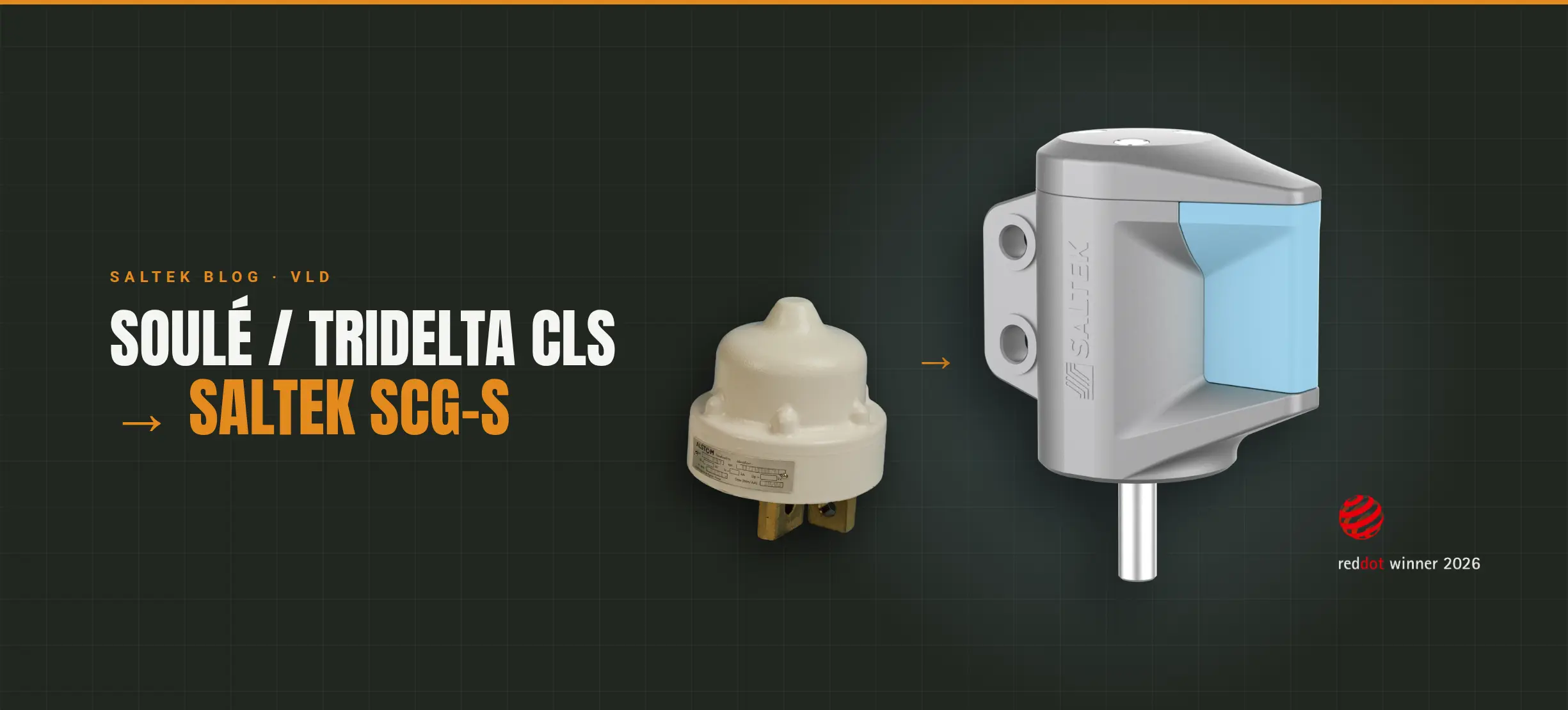
Looking for a replacement for SOULÉ / TRIDELTA CLS voltage-limiting devices (VLDs)? We have the solution!
-
 SALTEK Author of the article
-
07. 10. 2026
Blog article
Many railway networks in Europe use SOULÉ / TRIDELTA CLS voltage-limiting devices (VLDs) to connect exposed conductive parts to the rail, to protect track circuits and in cathodic protection applications. These devices have served railway infrastructure reliably for decades, but in many installations they are now approaching the end of their technical and physical service life.
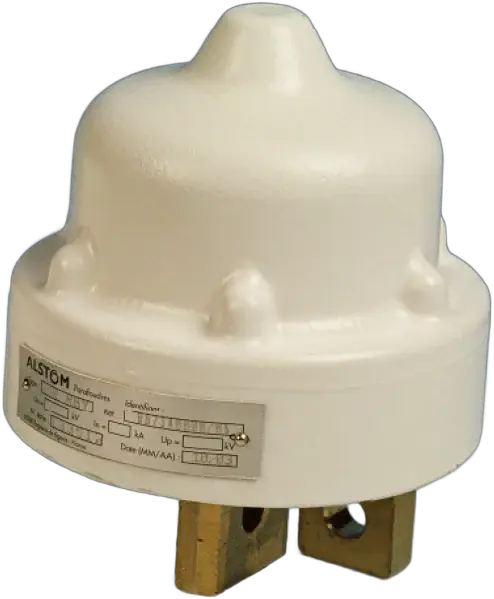
Compared with modern VLDs, they also show certain design and operating limitations:
< 1 μA
virtually zero leakage current2 metres
operating-status verificationVLD 1
Class 1 voltage-limiting deviceEN
50526-2 · 50122-1

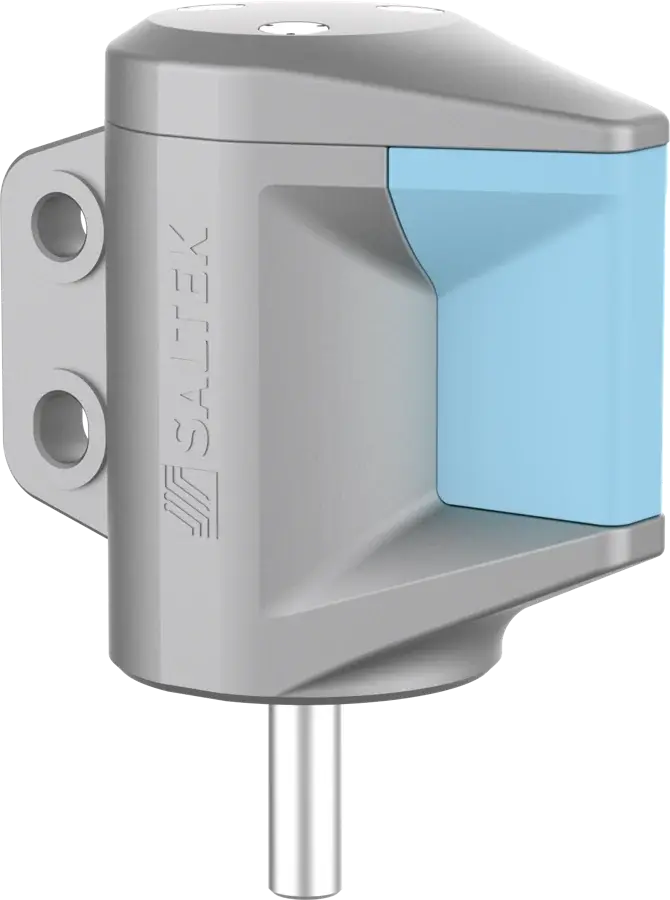
SCG-S is the first to combine the function of a Class 1 voltage-limiting device (VLD) with contactless operating-status signalling. The new SCG-S allows a fast and reliable functional check of the device without restricting operation and without dismantling. Instant information on VLD activation and its transition to the low-impedance state significantly shortens maintenance response time and reduces the risk of unplanned outages.
CLASS 1 VLD · SCG-S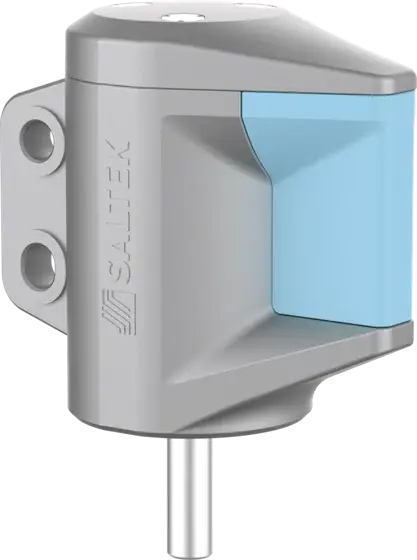
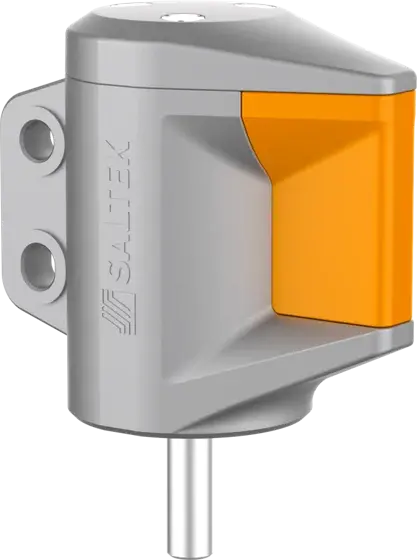
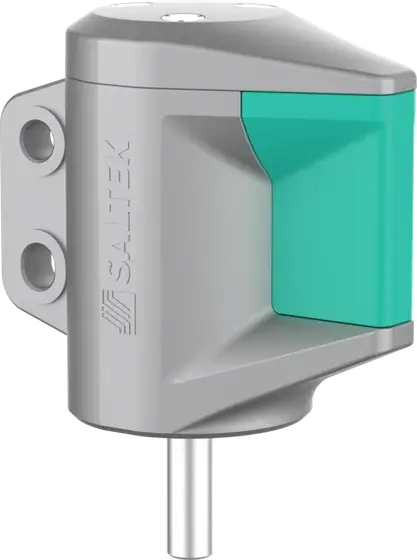
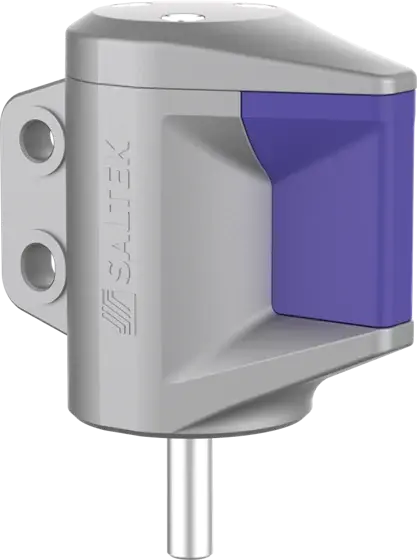
The replacement of existing SOULÉ / TRIDELTA CLS devices and the selection of a suitable SALTEK VLD type must always take into account the traction system, the required protective function, the short-circuit conditions and the specific installation site.
If you are planning to modernise SOULÉ / TRIDELTA CLS devices, we will be happy to help with our technical expertise. Contact our technical support.
Or get in touch directly with Pascal Magon, who will help you choose the right replacement:
Technical support →Related articles

Blog • 14. 07. 2026
Blog • 06. 05. 2026
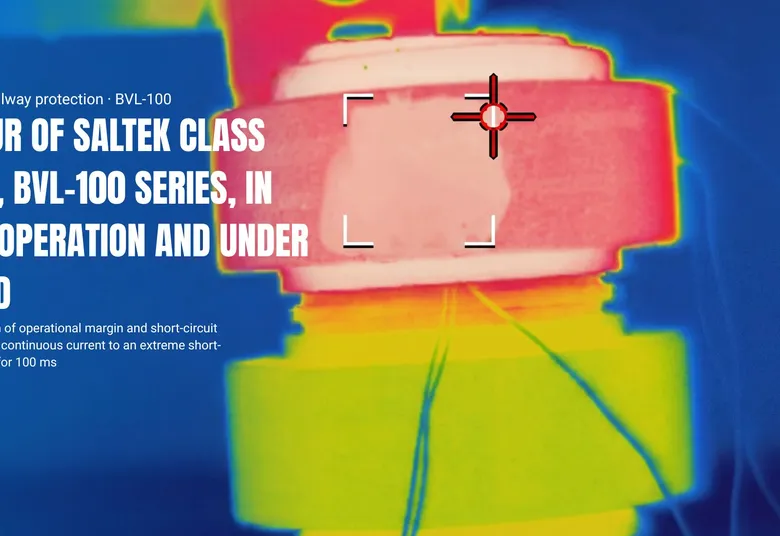
Laboratory verification of operational margin and short-circuit resistance, from rated continuous current to an extreme short-circuit event of 25 kA f...


Blog • 25. 03. 2026
Why industrial sidings, maintenance workshops and service depots silently damage wheels, rails and bearings—and how to prevent it in less than 1 milli...